Authentic Neapolitan Pizza Dough for Irresistible Golden Crust at Home
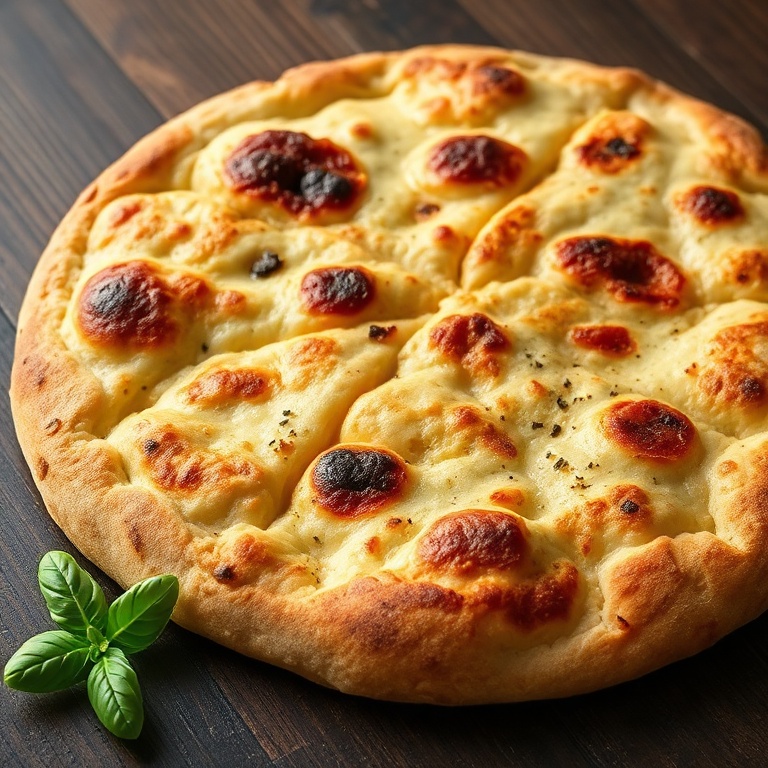
Authentic Neapolitan Pizza Dough guarantees that golden chewy crust every home cook craves. Getting pizzeria quality at home frustrates many—dough can turn tough or bland. After making this recipe over two dozen times, I honed every step to avoid those pitfalls. You’ll notice the dough is both airy and crisp, with that subtle tang and signature char. For another Italian comfort classic you can master, check out my Easy Baked Chicken Parmesan recipe. Jump to the recipe card or keep reading for my best tips. If you love recipes like this, you’ll also enjoy Easy Baked Chicken Parmesan recipe and Easy Hawaiian Roll Grilled Cheese.
Why This Authentic Neapolitan Pizza Dough for Irresistible Golden Crust at Home Is Pure Comfort
- You’ll get chewy crust with those signature blistered edges every time.
- Only simple pantry staples and patience required—no fancy flour needed.
- Clear steps make it easy to shape without tearing or sticking.
- My troubleshooting tips help prevent dense, gummy, or dry dough.
What You'll Need for Authentic Neapolitan Pizza Dough for Irresistible Golden Crust at Home
Choosing the right ingredients makes a big difference, but this recipe is forgiving enough to work with what you have.
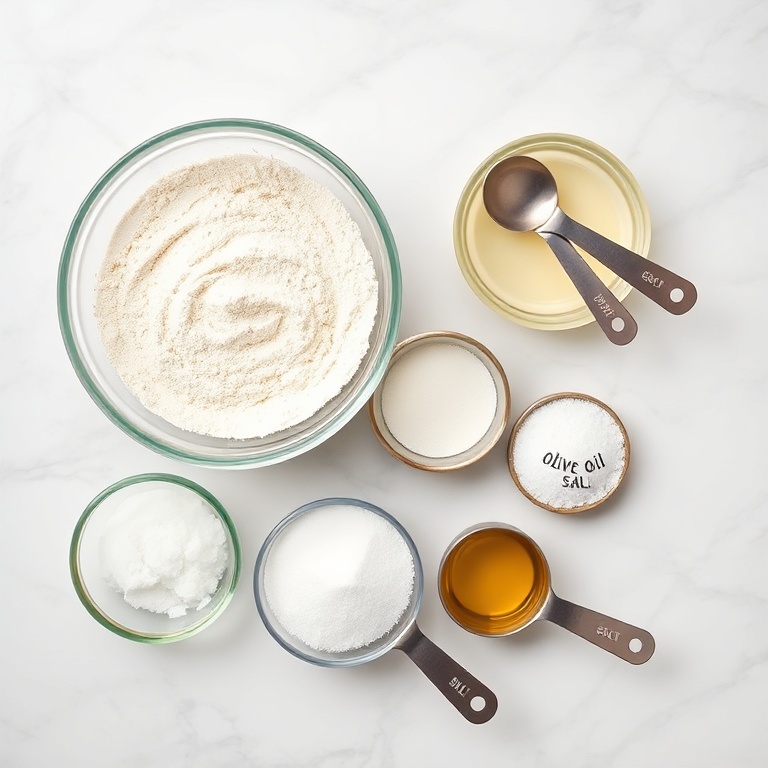
- 500g bread flour (King Arthur preferred, about 3 1/3 cups)
- 325g lukewarm water (about 1 1/3 cups plus 1 tablespoon, 70–75°F)
- 16g fine sea salt (about 2 3/4 teaspoons)
- 2g instant yeast (1/2 teaspoon)
- 10g extra virgin olive oil (optional, about 2 teaspoons)
- Fine sea salt
- Extra virgin olive oil
- Optional: Fresh basil leaves
- Optional: Crushed San Marzano tomatoes
- Optional: Fresh mozzarella cheese
- Optional: A drizzle of olive oil
📝 Ingredient Notes
- Bread flour: High protein is crucial for gluten development and classic chew. All-purpose works in a pinch, but texture suffers.
- Lukewarm water: Temperature affects yeast activity. If water is too hot, yeast may die; too cold, the rise will lag.
- Fine sea salt: Coarse salt may dissolve unevenly. Measure carefully for consistent flavor and fermentation.
- Instant yeast: Fast and reliable leavening. Avoid active dry unless you bloom it first.
- Olive oil: Optional for a slightly more tender crust, traditional for some home bakers.
🛒 Tools & Equipment I Recommend
- Digital kitchen scale — Precise flour and water ratios eliminate guessing and improve dough consistency. Pays for itself versus wasted ingredients. → See on Amazon
- Pizza stone — Transforms oven heat, ensuring a crisp and golden Neapolitan crust instead of a soggy base. You’ll notice better charring and texture. → See on Amazon
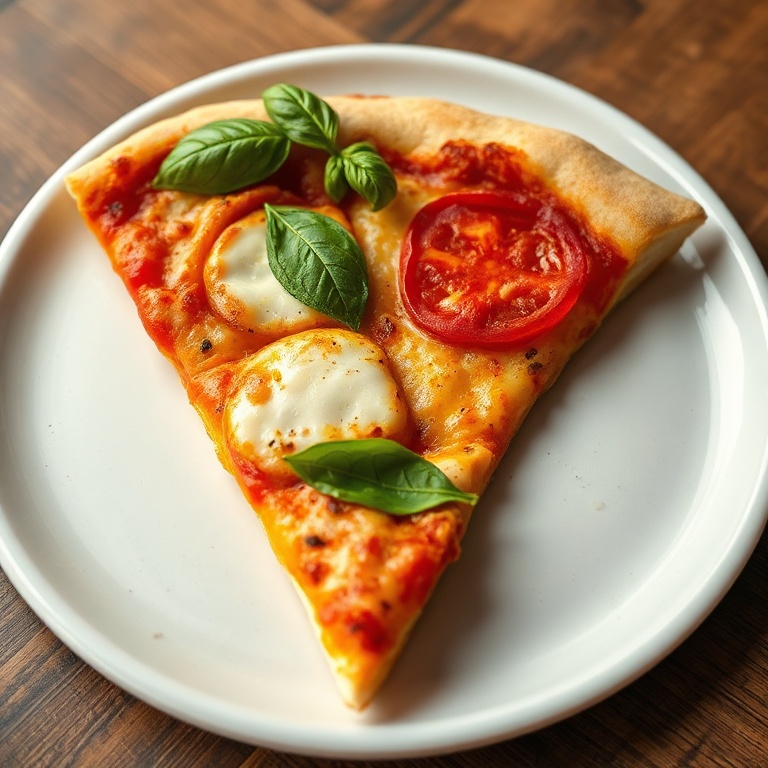
How to Make Authentic Neapolitan Pizza Dough for Irresistible Golden Crust at Home
- Mix dry ingredients: Combine bread flour, instant yeast, and fine sea salt in a large bowl. Stir well to distribute evenly.
- Add water and oil: Pour lukewarm water and olive oil into the center. Mix by hand or with a sturdy spoon until a shaggy dough forms.
- Knead the dough: Knead for 8–10 minutes on a lightly floured surface until dough is smooth, elastic, and slightly tacky but not sticky.
- First rise (bulk fermentation): Transfer to a lightly oiled bowl, cover tightly, and let rise at room temperature (70–75°F) for 2 hours, until doubled in size.
- Divide and shape balls: Turn dough onto a floured surface. Divide into 2–3 equal portions (about 260g each). Shape each into tight, smooth balls.
- Cold ferment: Place dough balls on a tray or in containers, cover, and chill in the fridge for 18–24 hours for best flavor and texture.
- Bring to room temperature: Remove from fridge 1–2 hours before baking. Let dough come fully to room temp and relax for easy stretching.
- Shape and stretch: On a floured surface, gently press and stretch dough into 10–12 inch rounds using fingertips—no rolling pin. Avoid deflating the edges.
- Bake: Preheat oven with pizza stone at 500°F for at least 45 minutes. Add toppings, then slide pizza onto stone. Bake 7–9 minutes until puffed, golden, and slightly charred.
- Serve: Cool 2 minutes, slice, and top with extra basil or olive oil if desired. Serve immediately.
Cook's Tips for Perfect Authentic Neapolitan Pizza Dough for Irresistible Golden Crust at Home
- Dough technique: Use a scale for all ingredients. Even small measurement errors make a massive difference in texture and rise.
- Common mistake and fix: Dough turning dense or tough is almost always from too much flour or over-handling. Add water if dry; handle gently to preserve airiness.
- Fermentation: Cold fermentation in the fridge for at least 18 hours is what gives Neapolitan dough its classic tang and open crumb.
- Baking: Heat your pizza stone for a full 45 minutes at max oven temp to mimic wood-fired results and crisp up the bottom crust.
Storing & Reheating Authentic Neapolitan Pizza Dough for Irresistible Golden Crust at Home
Short-Term Storage
Store in an airtight container in the fridge. Unbaked dough balls keep airtight in the fridge for up to 3 days. Coat lightly with oil to prevent sticking and drying. Make-ahead tip: Shape and cold-proof dough balls up to 2 days ahead. Longer ferments develop deeper flavor and more open structure.
Freezing Authentic Neapolitan Pizza Dough for Irresistible Golden Crust at Home
Freeze well-wrapped dough balls for up to 2 months. Thaw overnight in the fridge and then bring to room temperature before shaping.
How to Reheat Without Drying It Out
Oven: Reheat slices on a hot baking steel or stone at 425°F for 3–5 minutes to refresh crispness. Microwave: Microwave on a paper towel at 70% power for 30–45 seconds. Note: crust will soften.
Recipe Notes
- Chef tip: The number one reason Neapolitan dough fails is not enough hydration. Always measure water by weight—sticky dough is a good sign.
- Best substitution: If bread flour is unavailable, use the highest protein all-purpose flour you can find for a similar but slightly less chewy result.
- Make-ahead: Dough flavor deepens beautifully with cold fermentation. For dinner parties, prep dough the day before for best results.
- Scaling: Double or triple the recipe in one bowl, then portion after the first rise. Use a scale to keep ball sizes even.
- Troubleshooting: If dough tears or shrinks, let it rest uncovered for 10 minutes to relax gluten before reshaping—never force stretching at once.
Want to level up this recipe?
Bench scraper — Effortlessly divides and shapes sticky dough with less mess, helping you work quickly and cleanly. → Check price on Amazon
Authentic Neapolitan Pizza Dough for Irresistible Golden Crust at Home
Ingredients
Main Ingredients
- 500g bread flour (King Arthur preferred, about 3 1/3 cups)
- 325g lukewarm water (about 1 1/3 cups plus 1 tablespoon, 70–75°F)
- 16g fine sea salt (about 2 3/4 teaspoons)
- 2g instant yeast (1/2 teaspoon)
- 10g extra virgin olive oil (optional, about 2 teaspoons)
Seasonings
- Fine sea salt
- Extra virgin olive oil
Optional Toppings
- Fresh basil leaves
- Crushed San Marzano tomatoes
- Fresh mozzarella cheese
- A drizzle of olive oil
Instructions
- Mix dry ingredients: Combine bread flour, instant yeast, and fine sea salt in a large bowl. Stir well to distribute evenly.
- Add water and oil: Pour lukewarm water and olive oil into the center. Mix by hand or with a sturdy spoon until a shaggy dough forms.
- Knead the dough: Knead for 8–10 minutes on a lightly floured surface until dough is smooth, elastic, and slightly tacky but not sticky.
- First rise (bulk fermentation): Transfer to a lightly oiled bowl, cover tightly, and let rise at room temperature (70–75°F) for 2 hours, until doubled in size.
- Divide and shape balls: Turn dough onto a floured surface. Divide into 2–3 equal portions (about 260g each). Shape each into tight, smooth balls.
- Cold ferment: Place dough balls on a tray or in containers, cover, and chill in the fridge for 18–24 hours for best flavor and texture.
- Bring to room temperature: Remove from fridge 1–2 hours before baking. Let dough come fully to room temp and relax for easy stretching.
- Shape and stretch: On a floured surface, gently press and stretch dough into 10–12 inch rounds using fingertips—no rolling pin. Avoid deflating the edges.
- Bake: Preheat oven with pizza stone at 500°F for at least 45 minutes. Add toppings, then slide pizza onto stone. Bake 7–9 minutes until puffed, golden, and slightly charred.
- Serve: Cool 2 minutes, slice, and top with extra basil or olive oil if desired. Serve immediately.
Notes
- Chef tip: The number one reason Neapolitan dough fails is not enough hydration. Always measure water by weight—sticky dough is a good sign.
- Best substitution: If bread flour is unavailable, use the highest protein all-purpose flour you can find for a similar but slightly less chewy result.
- Make-ahead: Dough flavor deepens beautifully with cold fermentation. For dinner parties, prep dough the day before for best results.
- Scaling: Double or triple the recipe in one bowl, then portion after the first rise. Use a scale to keep ball sizes even.
- Troubleshooting: If dough tears or shrinks, let it rest uncovered for 10 minutes to relax gluten before reshaping—never force stretching at once.
Storage
- Fridge: Unbaked dough balls keep airtight in the fridge for up to 3 days. Coat lightly with oil to prevent sticking and drying.
- Freezer: Freeze well-wrapped dough balls for up to 2 months. Thaw overnight in the fridge and then bring to room temperature before shaping.
- Oven reheat: Reheat slices on a hot baking steel or stone at 425°F for 3–5 minutes to refresh crispness.
- Microwave reheat: Microwave on a paper towel at 70% power for 30–45 seconds. Note: crust will soften.
- Make ahead: Shape and cold-proof dough balls up to 2 days ahead. Longer ferments develop deeper flavor and more open structure.
Nutrition Per Serving
- Calories: 275
- Protein: 8g
- Fat: 2g
- Carbs: 56g
- Fiber: 2g
- Sugar: 0g
- Sodium: 750mg
- Cholesterol: 0mg
- Sat. Fat: 0.3g
Nutritional values are estimates only. Actual values may vary by brand and portion size.
Authentic Neapolitan Pizza Dough for Irresistible Golden Crust at Home FAQs
Yes, preparing the dough ahead actually improves flavor and texture. Mix, shape, and refrigerate dough balls for up to 48 hours. This slow cold fermentation develops the signature tang and airy crumb Neapolitan-style pizza is known for. Just bring the dough to room temperature before baking for best oven spring. Prep once and serve golden pies anytime.
Dense or tough crusts almost always result from too much flour or overworking the dough. Always weigh your ingredients and stop adding flour once the dough is tacky, not dry. Knead only just enough for it to get smooth. Over-kneading makes the dough tight and difficult to shape. If dough resists stretching, cover and rest it for 10 minutes.
Absolutely. Shape dough balls, lightly coat with oil, and freeze in an airtight bag for up to 2 months. Thaw overnight in the fridge before use. Let them fully come to room temperature and relax before shaping into pizzas. Freezing does not harm flavor or texture if done right.
Classic Neapolitan dough uses just flour, water, salt, and yeast—no sugar, eggs, or oil required. It’s much wetter and ferments slowly, resulting in chewy, puffy crust with those signature charred spots. Bread flour ensures more structure and a classic airy interior. Baking briefly at high heat locks in those textures.
Neapolitan pizza dough is a holiday and winter favorite at my house. It’s cozy, interactive, and impressive for gatherings. Guests enjoy topping their own pies while you bake quickly in batches. The dough’s deep flavor and freshly baked aroma always make entertaining special. Make it ahead so you’re not stuck prepping during the party.
A Warm Final Note
I can’t wait for you to try Authentic Neapolitan Pizza Dough for Irresistible Golden Crust at Home and see how effortlessly it comes together. When you make it, pop back here and leave a rating or share how it turned out — I love hearing from you!